

 Loading...




















Table of Contents
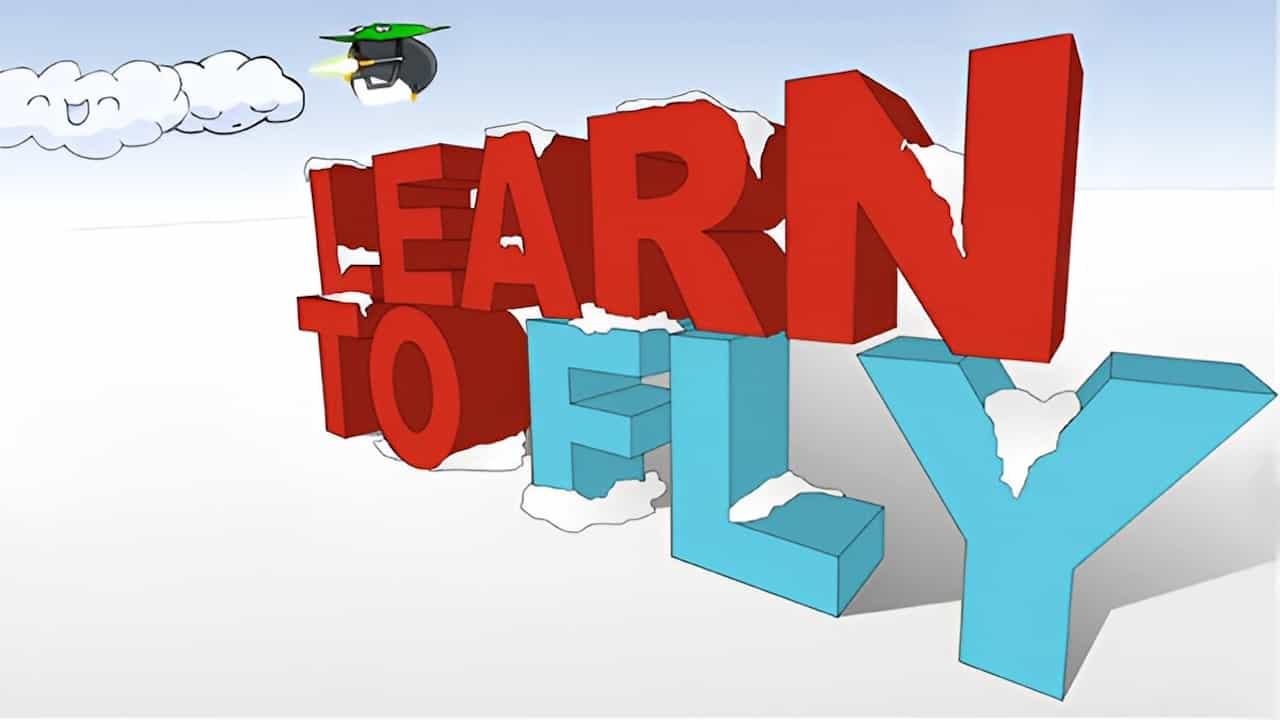
Play Learn to Fly and take control of a determined penguin on a hilarious and epic quest to prove that his kind can, in fact, soar through the skies. This legendary physics-based launcher game challenges you to slide down a ramp, launch into the air, and travel as far as possible, using the money you earn to buy powerful gliders, rockets, and other upgrades. It’s a perfect cycle of ambition, trial, error, and triumphant progress that has defined the "launcher" genre for a generation of gamers.
This comprehensive guide is your ultimate flight manual for turning pathetic plummets into record-shattering flights. Whether you're a first-time flier just trying to get off the ground or a seasoned pilot aiming to conquer the final challenges of the entire series, we will cover everything. We'll break down the core physics, provide a detailed analysis of the best upgrade paths, and reveal advanced strategies for maximizing your distance, height, and speed. Get ready to strap on a rocket, defy gravity, and help a little penguin achieve his impossible dream.
Table of Contents
- What is Learn to Fly? A Flash Gaming Icon
- How to Play: Your First Day at Flight School
- The Core Loop: Launch, Earn, Upgrade, Repeat
- Core Game Features: Why We Love to Launch
- Mastering the Simple and Precise Controls
- Essential Tips & Tricks for Every Pilot
- Advanced Strategies for Distance, Height, and Speed
- The Upgrade Shop: A Complete Guide to the Economy
- The Sequels: Learn to Fly 2 & 3 Explained
- Similar Launcher Games You'll Love
- Download Learn to Fly (PC, iOS & Android)
- Frequently Asked Questions (FAQs)
- Conclusion: The Joy of a Perfect Flight
What is Learn to Fly? A Flash Gaming Icon
Learn to Fly is a physics-based launcher game that stands as one of the most beloved and memorable titles of the Flash gaming era. Developed by Hitgrab Games and first released in December 2009, it captured the hearts of millions with its charming premise, addictive gameplay loop, and a powerful sense of progression. The game's story is simple yet motivating: you play as a penguin who, after surfing the web, discovers that penguins are classified as "flightless birds." Enraged by this scientific slight, he dedicates his life to proving the world wrong.
The gameplay is centered around this singular goal. Players launch their penguin off a massive ice ramp and try to fly as far and as high as possible. The initial attempts are comically short and clumsy. However, your performance on each "day" (or attempt) earns you cash based on the distance, height, duration, and max speed you achieve. This cash is then used in an extensive upgrade shop to purchase gliders, rockets, and other equipment that dramatically improves your penguin's flight capabilities. What begins as a pathetic slide down a hill slowly evolves into a high-tech, rocket-propelled aerial assault as you transform your penguin from a waddling joke into a supersonic aviator.
The game's genius lies in this tangible sense of growth. Every single upgrade you purchase has a noticeable and satisfying effect on your next flight, creating an irresistible "just one more run" cycle. This core design, combined with its clean art style and humorous tone, made Learn to Fly an enduring classic that spawned highly successful sequels and has since been remastered and bundled for modern PC and mobile platforms, ensuring its legacy continues for a new generation.
How to Play: Your First Day at Flight School
Getting airborne in Learn to Fly is easy, but achieving a truly great flight requires an understanding of the game's core phases and mechanics.
The Three Phases of a Run
Every attempt in Learn to Fly is broken down into three distinct phases. Mastering each one is crucial for a high score.
- The Launch Phase: Each run begins with your penguin at the top of a long ice ramp. Your goal is to build as much speed as possible and launch off the end of the ramp at the optimal angle. You control your penguin's angle as it slides down the ramp.
- The Flight Phase: Once airborne, you enter the flight phase. Here, your goal is to maintain a smooth, aerodynamic trajectory to maximize your distance. You will control the pitch (angle) of your penguin and any equipped glider. You can also activate rockets for a powerful thrust.
- The Landing/Bouncing Phase: Eventually, you will lose altitude and hit the water. If you land with a shallow, smooth angle, you will skip across the surface like a stone, preserving your speed and continuing your run. A steep, clumsy landing will kill your momentum and end your flight.
Your First Five Runs: Building a Foundation
Don't expect to break records on your first few attempts. The early game is about learning and earning seed money.
- Run 1: The Baseline. Don't worry about anything. Just slide down the ramp and see what happens. This gives you a feel for the basic physics and earns you your first handful of cash.
- Run 2: Angle Experimentation. On your second run, focus on the launch. Try to keep your penguin angled perfectly with the slope of the ramp to minimize friction. At the end, try to pull up slightly to get a good launch angle.
- Run 3: The First Purchase. Take your earnings to the shop. You won't be able to afford much, but a cheap glider or a small rocket will make a huge difference. Buy your first upgrade.
- Run 4: Feeling the Difference. With your new equipment, repeat the process. Notice how the glider allows you to control your pitch in the air. If you bought a rocket, try activating it mid-flight.
- Run 5: The First Combo. Try to put it all together. Get a good launch, manage your pitch in the air, and try to land smoothly on the water to get a bounce. This is the fundamental skill set you will be honing for the rest of the game.
The Core Loop: Launch, Earn, Upgrade, Repeat
The gameplay loop of Learn to Fly is the secret to its addictive power. It's a simple but incredibly effective cycle that provides constant positive reinforcement and a clear sense of progression.
- Launch: You start a "day" by attempting a flight. You apply your skills to try and achieve the best performance possible with your current equipment.
- Earn: At the end of your run, the game evaluates your performance based on four key metrics:
- Max Altitude: The highest point you reached.
- Max Distance: The farthest point you traveled horizontally.
- Max Speed: The fastest you were moving at any point.
- Flight Duration: How long you stayed off the ground.
- Upgrade: You take your earnings to the upgrade shop. Here, you make a strategic decision about which piece of equipment to buy or improve to best enhance your next flight.
- Repeat: With your new and improved setup, you start the next day, ready to apply what you've learned and shatter your previous records.
This loop ensures that every single attempt, no matter how good or bad, contributes to your long-term progress. There are no wasted runs in Learn to Fly.
Core Game Features: Why We Love to Launch
- Deep and Satisfying Upgrade System: The heart of the game is its shop. With dozens of upgrades across multiple categories like Gliders, Rockets, and Ramp Height, there is always a new and exciting goal to save up for. Each purchase feels meaningful and has a direct impact on gameplay.
- Skill-Based Flight Controls: While upgrades are crucial, player skill still matters. A player who has mastered the art of maintaining an optimal flight angle will always outperform a player with the same equipment who flies clumsily. This keeps the game from being a pure "idle" experience. - Incremental and Long-Term Goals: The game is structured around a series of achievements. These can be simple, like reaching a certain distance, or complex, like destroying all the snowmen in the level. Completing these achievements provides bonus cash and a clear roadmap for what to do next. - Playful Humor and Charm: From the penguin's angry blog posts to the silly newspaper headlines that appear after a great run, the game is filled with a lighthearted sense of humor that makes the experience joyful and memorable.
Mastering the Simple and Precise Controls
The controls in Learn to Fly are designed to be simple, allowing players to focus on the nuances of timing and physics rather than complex inputs.
Desktop Controls (Browser and Steam)
- Pitch Control (Ramp and Air): Use the Left and Right Arrow Keys (or A and D Keys) to tilt your penguin forward and backward.
- On the ramp, you want to match the angle of the slope.
- In the air, you want to maintain a slight upward angle for optimal lift without stalling.
- Rocket Boost: Press the Spacebar to activate your equipped rocket. This consumes fuel, so use it strategically.
Mobile Controls (iOS and Android)
- Pitch Control: Most mobile versions use tilt controls. Physically tilting your device left or right controls the penguin's angle.
- Rocket Boost: Simply tap and hold on the screen to fire your rocket.
Essential Tips & Tricks for Every Pilot
- The Optimal Flight Angle is Key: This is the most important skill in the game. When you are airborne, you are looking for the "sweet spot" angle. If you pitch up too much, you will lose speed and stall. If you pitch down too much, you will nosedive into the water. The optimal angle is usually a very slight upward tilt, around 10-15 degrees. - Feather Your Rockets: Don't just hold down the spacebar and burn all your fuel at once. It's far more efficient to use short, controlled bursts of your rocket. Use a burst to regain speed when you start to slow down or to push through the sound barrier. - Bouncing is Better Than Sticking: When you land, you want to skip across the water. To do this, try to have your penguin angled parallel to the surface of the water just as you make contact. A flat, smooth landing will result in several bounces, carrying your momentum much further. - Don't Neglect Ramp Upgrades: It's tempting to spend all your money on fancy gliders and rockets. However, upgrading your Ramp Height and Ramp Angle provides a massive boost to your initial launch speed, which is the foundation for the entire flight. A faster start means a faster flight.
Advanced Strategies for Distance, Height, and Speed
To complete the final achievements, like destroying the giant iceberg, you need to employ advanced strategies that focus on maximizing a specific metric.
Strategy for Maximum Distance
This is the most common goal. The strategy here is all about maintaining a high horizontal velocity for as long as possible.
- Build: Focus on the best Glider you can afford and the most powerful Rockets. Aerodynamics are key.
- Execution: Get a fast launch, then immediately find your optimal flight angle. Use rocket bursts only when your speed begins to dip below a certain threshold. The goal is a long, flat trajectory. Save one final rocket burst for just before you hit the water to try and extend into a final bounce.
Strategy for Maximum Height
Some achievements require you to reach a specific altitude.
- Build: Rockets are everything here. The most powerful Stage 3 Rocket is your primary tool. A glider is less important.
- Execution: During your launch, pitch up to a much steeper angle than you would for distance, around 45 degrees. As soon as you leave the ramp, burn all of your rocket fuel in one continuous, powerful thrust to propel yourself vertically.
Strategy for Maximum Speed
Breaking speed records requires a focus on raw power.
- Build: The most powerful Rockets and the "Sleek" body upgrade are essential to reduce drag.
- Execution: The goal is to create a controlled nosedive. Get some initial height, then angle your penguin downwards. Fire your rockets while you are in a dive to use gravity to your advantage, slingshotting you to incredible speeds.
The Upgrade Shop: A Complete Guide to the Economy
The shop is the heart of the game. Making smart purchasing decisions is the fastest way to progress.
Upgrade Categories Explained
- Ramp: This category has two upgrades: Ramp Height and Ramp Angle. Both increase your initial launch speed. These are solid, reliable, and cheap early-game investments. - Glider: This is your primary tool for controlling your flight. Better gliders provide more lift and are more aerodynamic, allowing you to stay in the air longer and travel further. This should be one of your first major purchases. - Rocket: Rockets provide a powerful thrust that consumes fuel. They are divided into stages (Stage 1, 2, 3), with each stage providing more power and fuel capacity. Rockets are the key to breaking through late-game barriers. - Payload: This is a passive upgrade that increases the weight of your penguin, which can sometimes help with momentum during a dive. It's generally a lower-priority upgrade. - Body: This category allows you to reduce drag, making you more aerodynamic. This is a very powerful, but expensive, late-game upgrade for maximizing top speed.
The Optimal Upgrade Path for Beginners
- Day 1-5: Focus on cheap Ramp Height and Ramp Angle upgrades.
- Day 5-10: Save up for your first decent Glider. The "Delta Wing" is a good early target.
- Day 10-20: Start investing in Stage 1 Rockets. Learn how to use them efficiently with short bursts.
- Day 20+: From here, you should focus on systematically upgrading your Glider and Rockets in tandem, while occasionally putting money into your Ramp.
The Sequels: Learn to Fly 2 & 3 Explained
The success of the original led to two fantastic sequels that expanded the formula in new and exciting ways.
- Learn to Fly 2 (2011): This sequel is a direct evolution of the first game. It introduces three different gameplay modes: Story Mode, where you continue your quest to fly; Classic Mode, which plays like the original game; and Arcade Mode, which is about earning as much cash as possible in a limited number of days. It features a much larger and more complex upgrade shop, including new items like "Boosts" (fuel tanks) and a variety of different Gliders and Rockets. It is considered by many fans to be the peak of the series. - Learn to Fly 3 (2016): This sequel took the series in a bold new direction. The goal is no longer horizontal distance, but vertical height. Your mission is to build a rocket capable of reaching the Moon. The game is focused entirely on vertical launch, with four different modes: Story Mode, Payload Mode (carry a heavy weight as high as you can), Classic Mode, and Sandbox Mode (unlimited cash to experiment with builds). It features an incredibly deep and complex upgrade system with hundreds of unlockable parts.
Similar Launcher Games You'll Love
- Burrito Bison: Revenge: A wildly popular launcher where you play as a luchador, launching from a wrestling ring to squish gummy bears and travel as far as possible.
- Toss the Turtle: Catapult a turtle from a massive cannon and use a variety of firearms to keep it airborne by shooting it mid-flight.
- Hedgehog Launch: Launch a hedgehog into space using a complex contraption, upgrading it with rockets and other parts.
- Shopping Cart Hero: A simple but addictive game where you push a shopping cart down a hill, jump, and upgrade your cart to perform amazing stunts.
- Kitten Cannon: The classic, absurd launcher where you fire a kitten from a cannon and try to make it bounce off various objects to maximize distance.
- Flight: A more story-driven and atmospheric launcher where you throw a paper airplane and guide it across the world, collecting stars and upgrading it along the way.
- My Dear Boss: A humorous launcher where your goal is to kick your annoying boss out of the office window as far as you can.
- Potty Racers: Upgrade a porta-potty with wheels and wings to turn it into a flying machine.
- Raft Wars: While an artillery game, it shares the same satisfying physics-based trajectory mechanics and humorous tone.
- Duck Life: A training game that shares the same powerful progression loop of performing an activity, earning money, and upgrading to improve performance.
Download Learn to Fly (PC, iOS & Android)
The classic Learn to Fly series has been bundled and remastered for modern platforms. To ensure you are getting a safe, official, and optimized version of the games, always download from these trusted sources.
- For PC (Steam): The best way to play the entire trilogy on PC is through the "Learn to Fly 3" package on Steam, which includes remastered versions of all three classic games.
Download the Learn to Fly Trilogy on Steam - For iOS (iPhone/iPad): The modern mobile version, "Learn 2 Fly: bounce & fly game," offers an updated experience for Apple devices.
Download from the Apple App Store - For Android: The official Android version is also available on the Google Play Store.
Download from the Google Play Store
Note on Browser Play: The original Flash versions of Learn to Fly 1 and 2 can still be played on many online game archives using Flash emulators like Ruffle, providing a perfect dose of nostalgia directly in your browser.
Frequently Asked Questions (FAQs)
What is the best upgrade to buy first in Learn to Fly?
The best initial upgrades are in the Ramp category. Investing a small amount of cash into Ramp Height and Ramp Angle provides the most significant and cost-effective boost to your initial launch speed, which is the foundation for every successful flight.
How do you bounce effectively on the water?
To bounce, you need to have a good amount of horizontal speed and a shallow angle upon impact. Just before you hit the water, try to pitch your penguin so that its body is almost parallel to the surface. A flat landing will cause you to skip, while a steep landing will cause you to dig in and stop.
Is Learn to Fly 2 better than the original?
Many fans consider Learn to Fly 2 to be the definitive game in the series. It keeps the core horizontal distance goal of the first game but vastly expands the upgrade shop and adds new modes, giving it more depth and replayability. However, the original is still a perfectly balanced and classic experience.
What is the goal of Learn to Fly 3?
Learn to Fly 3 changes the objective from horizontal distance to vertical height. Your goal is to build a multi-stage rocket to fly your penguin all the way to the Moon. It's a much more complex and engineering-focused game than its predecessors.
Are there cheats for Learn to Fly?
While cheat codes existed for the old Flash versions (and hacked versions are available online), the modern Steam and mobile versions do not have built-in cheats. The game is designed around the satisfaction of earning your progress, and using cheats can diminish this core experience.
Conclusion: The Joy of a Perfect Flight
Learn to Fly is more than just a simple launcher game; it's a testament to the power of a perfect progression loop. It masterfully captures the universal desire to improve, to push boundaries, and to achieve something that once seemed impossible. The journey from a flightless bird to a rocket-powered aviator is one of the most satisfying and rewarding experiences in the history of casual gaming.
With its tight physics, smart upgrade system, and the sheer thrill of watching your penguin soar past its previous record, the game remains an absolute must-play. Whether you are exploring the classic original or diving into the deeper mechanics of its sequels, the series offers hundreds of hours of charming, strategic, and endlessly replayable fun. So take a deep breath, line up on the ramp, and make your next flight your best one yet.
- How to Play Learn To Fly
- Core Loop & Progression
- Game Features
- Controls
- Tips & Tricks
- Strategies for Distance & Height
- Upgrades & Economy
- Community & Culture
- Access & Platforms
- Similar Games Like Learn To Fly
- FAQs
- Download & Installation
- Conclusion
Welcome to a charming physics-based launcher where a determined penguin turns persistence into progress. Each run sends you gliding across snowy ramps and into the sky.
Small gains transform into big milestones through smart upgrades. The loop is simple yet endlessly rewarding, with clear goals, steady rewards, and a playful sense of humor.
New players quickly grasp the basics, while veterans continue chasing farther distances and higher speeds. Many fans still fondly search for classics like learn to fly when revisiting this timeless series.
Developer
Release Date
December 2009
Platforms
Browser, iOS, Android
How to Play
- Your journey begins on a slope, where momentum, angle, and timing decide how far you travel.
- After launch, manage pitch and acceleration to keep a smooth trajectory and avoid momentum-killing impacts.
- Coins collected midair or earned from distance fund upgrades that dramatically improve performance.
- Success comes from small optimizations that stack over many runs, encouraging experimentation.
- Longtime players often compare early sessions to favorites such as learn to fly 2 for polished mechanics.
Starting Out: First Five Runs
Focus on understanding your launch angle and the feel of the physics before spending heavily. Prioritize inexpensive upgrades that increase speed and stability to unlock consistent progress.
Early runs are about learning how your angle affects bounce and air time. Avoid chasing perfect attempts; steady improvements build compounding results.
After a handful of flights, you’ll have the data and coins to make smarter upgrade choices.
Core Loop & Progression
The core loop blends short, skillful attempts with long-term progression powered by upgrades. Each session provides immediate feedback: you see how a new part or technique affects distance.
This feedback encourages targeted investment and creates a “just one more run” rhythm. Communities often reminisce about learn to fly 3, which expanded the upgrade tree and deepened replay value.
Ultimately, persistence and smart investment define how far you’ll soar.
Game Features
- Upgradeable equipment with meaningful impact
- Skill-based flight control and timing
- Incremental achievements and long-term goals
- Replayable runs with quick restarts
- Gentle humor and playful presentation
Controls
Controls are intentionally simple so you can focus on timing and trajectory. Use your directional input to adjust pitch during takeoff and flight.
Trigger boosts when your arc begins to flatten or when you need to clear obstacles. On landing, stabilize first to avoid momentum loss before re-accelerating.
With practice, the minimal scheme becomes second nature and frees you to think strategically about upgrades.
Tips & Tricks
- Start with affordable upgrades that improve consistency rather than chasing flashy parts.
- Save high-impact boosts for late in your arc, where they provide the longest extension.
- Learn to read terrain so you can anticipate bounces and preserve speed.
- Don’t be afraid to experiment with alternative loadouts if your progress plateaus.
- Embrace learning to fly as a process where each attempt teaches something new.
Strategies for Distance & Height
If distance is your goal, prioritize speed, fuel efficiency, and gentle pitch control to minimize drag. For height-focused challenges, time boosts near the apex to stretch hang time and avoid stalling.
Consider hybrid builds that trade a bit of top speed for better stability on rough terrain. Watch replays or ghost data, if available, to spot where you’re bleeding momentum.
Set incremental targets per session to keep progress steady and motivating.
Early-Game Path
Invest in stability, modest speed, and a small fuel reserve to smooth out mistakes. This foundation lets you earn more per run without relying on perfect execution.
Once runs feel reliable, step into stronger power boosts and improved aerodynamics. Upgrade in pairs that complement each other—speed with control, fuel with efficiency. This approach compounds gains and reduces frustration.
Upgrades & Economy
The upgrade economy rewards frequent small purchases that immediately convert to progress. Target items that reduce variance so your average attempt climbs even if your best doesn’t.
Consider the opportunity cost of saving for a single premium part instead of buying two or three strong mid-tier options. Track how each purchase affects your distance to verify that it’s worth the cost.
Even playful search queries like learn to fly 2 learn to fly reflect the community’s obsession with optimizing upgrades.
Community & Culture
- This game has inspired countless memes, guides, and playful debates over strategy.
- Fans sometimes blur the line with real-world references like learn to fly lyrics, creating humorous crossovers.
- Online leaderboards and challenge runs keep the experience lively and competitive.
- Social media groups exchange upgrade paths, post gifs of wild crashes, and encourage newcomers.
- It’s a thriving ecosystem that celebrates creativity and persistence.
Access & Platforms
Learn to Fly is playable on most devices, including desktops, laptops, and mobile devices. Official platforms ensure smooth performance and protect your progress.
Similar Games
- Burrito Bison Revenge: Launch a gummy bear through obstacles to defeat candy enemies.
- Toss the Turtle: Catapult a turtle as far as possible while unlocking upgrades and weapons.
- Flight: Control a rocket-powered character to travel maximum distance through challenging terrains.
- Hedgehog Launch: Launch a hedgehog into the sky and upgrade gear for longer flights.
- Shopping Cart Hero: Use a shopping cart to jump, fly, and perform stunts for high scores.
- Kitten Cannon: Fire a kitten from a cannon and upgrade your weapons to reach new distances.
- Penguin Diner: Manage a diner, serve customers quickly, and unlock new levels.
- Raft Wars: Shoot enemies while protecting your treasure in this fun water-based strategy game.
- Run 3: Navigate tunnels in space with precise jumps and avoid falling.
- Duck Life: Train your duck in running, flying, and swimming to compete in races.
FAQs
how i learned to fly
Start with a reliable baseline build and practice timing the launch angle before worrying about speed. Early on, buy small upgrades that stabilize flight so you learn without constant crashes.
Watch your arc and save boosts for when momentum dips, not just at takeoff. Record a few runs to spot where you routinely lose speed, then adjust pitch inputs accordingly.
Over several sessions, those habits compound into consistent personal records.
when did goku learn to fly
In anime lore, that character masters aerial movement through energy control, which differs from physics-based gameplay. The comparison appears in community jokes about finally “flying” after enough upgrades.
In this game, you don’t unlock energy powers; you refine flight by improving gear and execution. The parallel is playful, not mechanical. Treat it as motivation to keep practicing rather than a literal milestone.
does learning to fly come naturally to birds
Real-world birds combine instinct and practice, honing flight through repetition and environmental feedback. This game mirrors that concept metaphorically by rewarding many short attempts.
Your “instincts” improve as you internalize physics and timing. Upgrades play the role of biological advantages, smoothing out rough edges while skill does the heavy lifting. The blend of nature and nurture is part of the charm.
Download & Installation
Prefer playing on mobile or want an app-based experience? Use official store links to ensure safe installs and automatic updates.
On Android, verify the publisher name and reviews before tapping the install button. On iOS, confirm compatibility and storage availability so performance stays smooth.
If you switch devices, check for cloud saves or sign-in options to preserve progress. Many search for Learn to fly download apk, Learn to fly download android, or Learn to fly download ios to grab the right version.
Conclusion
If you love tight physics, smart upgrades, and the thrill of inching past your best distance, this penguin’s quest is for you. Learn the rhythm of launch, manage pitch with confidence, and invest in parts that multiply your strengths.
Explore sequels like Learn to Fly 2 and Learn to Fly 3 to broaden your skills and keep the loop fresh. Share your tips, trade strategies, and celebrate near-miss saves with the community.
Then take a deep breath, line up the ramp, and make your next flight your best yet.